
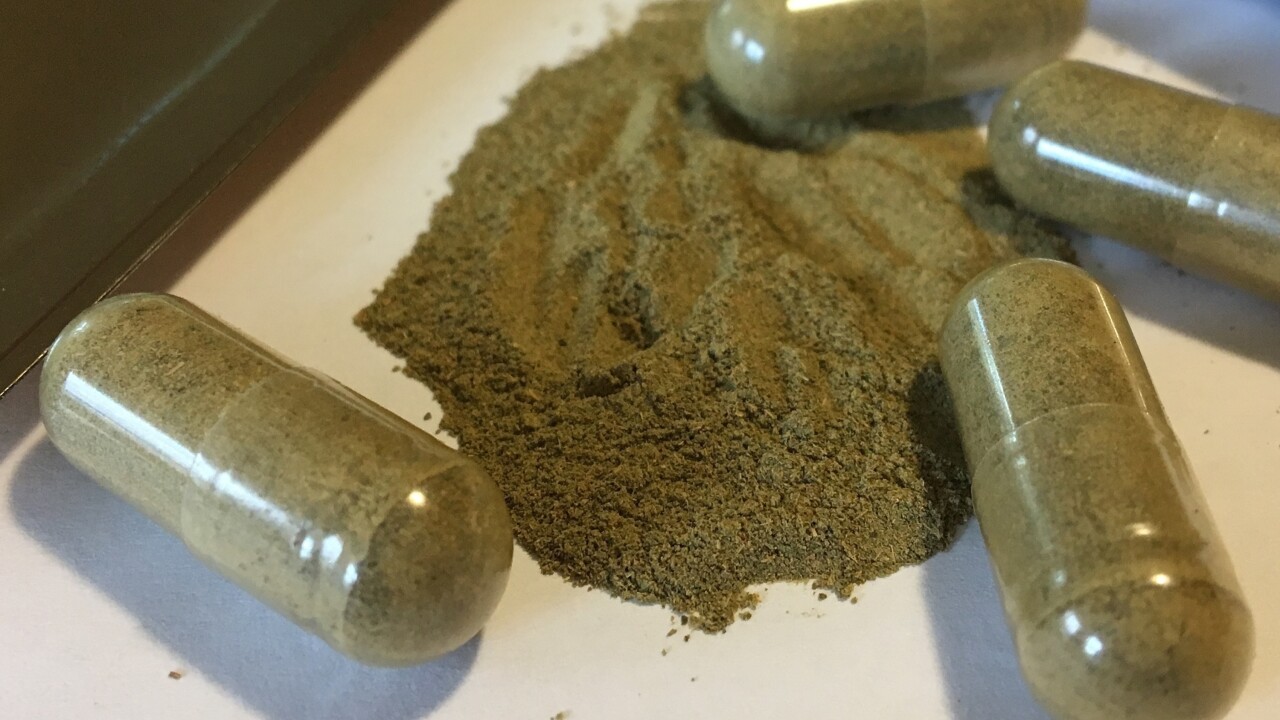
Gov. Andy Beshear announced new steps Thursday aimed at stopping the sale and spread of a dangerous substance in Kentucky. The administration is moving to classify 7-hydroxymitragynine, also known as 7-OH, as a Schedule I controlled substance, which would make it illegal to sell, possess or distribute concentrated or isolated forms of it anywhere in the state.
“We have marked three straight years of declines in overdose deaths in Kentucky, and that is progress we’re committed to building on as we work to protect more lives in the fight against addiction,” Beshear said in a statement. “Deadly and addictive drugs like 7-OH have no place in our communities, and this step will help us get these drugs off the streets and provide us more tools to keep Kentuckians safe.”
7-OH is a highly concentrated derivative of the kratom plant. While kratom occurs naturally, state officials say concentrated versions of 7-OH can mimic opioids and lead to dependency and harmful side effects.
“When kratom is altered to create synthetic opioids, it becomes a threat to the public’s health,” said Cabinet for Health and Family Services Secretary Dr. Steven Stack. “It puts people at risk and undermines the strides Kentucky has made in reducing the scourge of addiction.”
The Cabinet for Health and Family Services is currently updating state regulations to formally categorize 7-OH as a Schedule I drug, placing it alongside substances such as heroin, LSD and fentanyl analogs. Once finalized, the change will allow law enforcement and state regulators to begin removing products containing concentrated 7-OH. This included but is not limited to, powders, capsules and shots from store shelves across Kentucky.
This action follows Beshear’s emergency order in August to classify bromazolam as a Schedule I substance, a move that immediately banned its sale and allowed for arrests related to its possession.